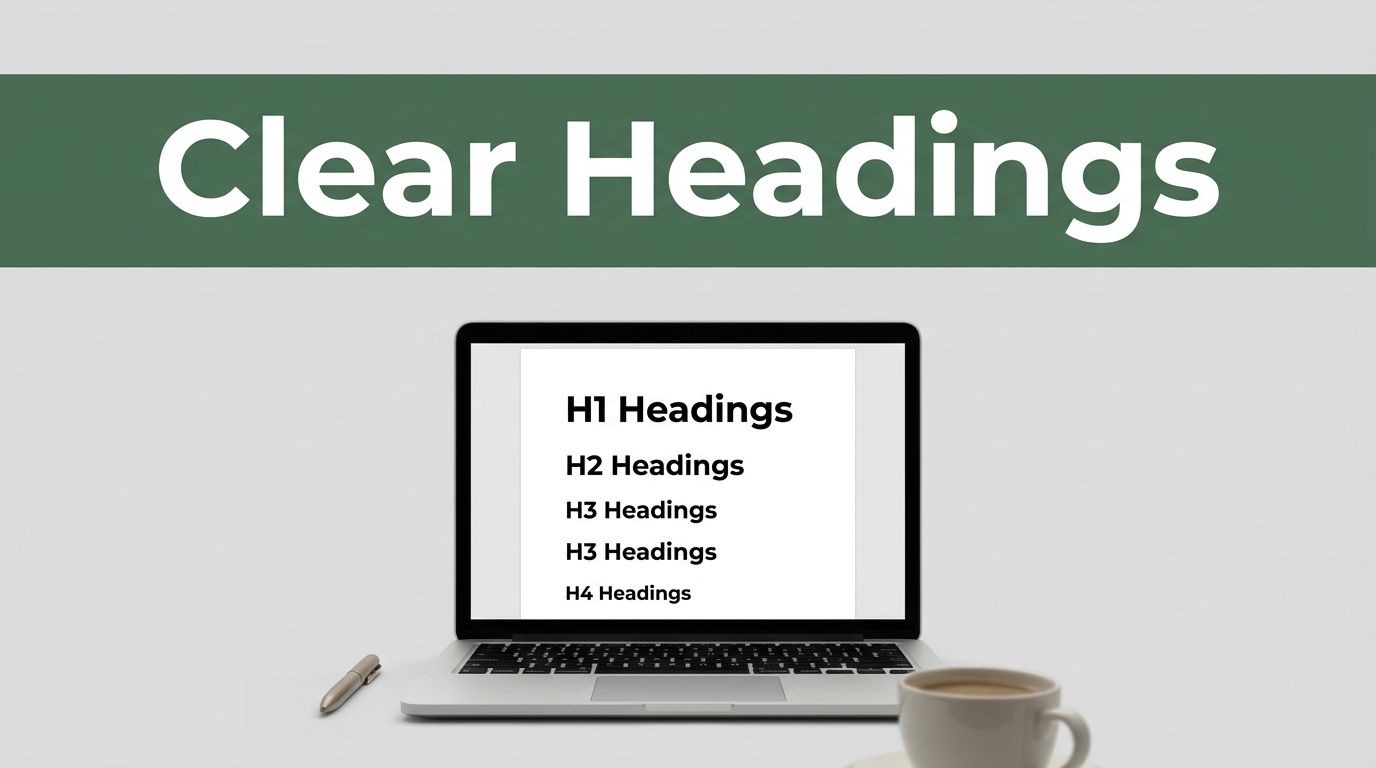
Readers spend just seconds deciding if your post deserves their time. Scannable content with strong headings can increase time on page and cut bounce rates, as recent 2026 data shows. Search engines reward this structure too, since AI tools pull answers from well-organized pages.
You know the frustration of facing a wall of text. Good headings act like road signs. They guide eyes, match search intent, and help Google grasp your topic. This post breaks down simple steps to create headings that engage readers and rank higher. Let’s start with why they matter so much.
Unlock the Power of Headings for Readers and Search Engines
Headings make your content easy to scan. Users spot key ideas fast, so they stay longer. Bounce rates drop because people find answers without hunting.
Search engines love them too. Google uses headings to map your page structure. Clear setups signal authority and topic coverage. In 2026, AI overviews appear in nearly half of searches. They favor structured posts with short paragraphs under headings.
For example, a plain text block feels overwhelming. Add H2s and H3s, and it flows like chapters in a book. Readers engage more, and rankings climb.
Recent US trends confirm this. Optimized sites grab top spots because headings match user questions. Time on page rises as folks read deeper.
Here are the top three benefits:
- Faster scanning: Eyes jump to headings, boosting dwell time.
- Lower bounces: Clear paths keep visitors from leaving quick.
- SEO gains: Google ranks structured pages higher in AI results.
Check out Google’s heading structure guidance for more on how it signals relevance.

Besides better UX, headings feed AI summaries directly. Questions like “How to fix site speed?” pull from H2s. Your post shows up without clicks, building trust over time.
Follow These Proven Rules to Craft Standout Headings
Start with a solid plan. Outline headings first as your post’s backbone. This keeps everything logical and keyword-rich.
Use strict hierarchy. One H1 for the main topic. Multiple H2s for sections. H3s only under H2s. Keep lengths under 60 characters. Sentence case works best, like “Write Headings That Rank High.”
Weave keywords naturally. Focus on benefits and descriptions. Active words draw clicks. Numbers add punch, such as “7 Steps to Better Ranks.” Questions fit when they match searches.
For instance, bad: “SEO Stuff.” Good: “Boost Ranks with Smart Headings.” Readers see value right away.
Build a Logical Hierarchy Every Time
Stick to one H1 per page. It states the core idea. Then H2s divide big topics. H3s drill into details under each H2.
Skipping levels confuses everyone. Readers lose the flow. Bots miss the outline.
See this simple example:
- H1: How to Write Clear Headings
- H2: Why They Boost SEO
- H3: Cut Bounce Rates
- H2: Key Rules to Follow
- H3: Use Numbers and Questions
- H2: Why They Boost SEO
This setup guides users smoothly. Google parses it as comprehensive coverage.
Pack in Keywords Without Forcing It
Place your main term in the H1. Add variations to one or two H2s. Think like searchers type: “clear headings for SEO.”
Stuffing kills it. “Best SEO Headings Subheadings Tips 2026” reads robotic. Instead, “Headings That Rank in 2026 Searches” flows natural.
Match real queries. Tools show what works. As a result, you hit intent spot on.
Make Them Short, Punchy, and Human
Aim for 4 to 9 words. Capitalize only the first word. Power words like “boost” or “fix” grab attention.
Example: “Boost Readability with Simple Tweaks.” It promises quick wins. Numbers shine too: “5 Rules for Killer Headings.”
Readers click because it feels direct. Short ones load fast in results too.
Steer Clear of These Heading Traps That Kill Engagement
Vague labels chase readers away. They skip posts that sound boring from the start. High bounces follow.
No planning leads to mess. Hierarchy breaks. SEO suffers as Google ignores weak structure.
Here’s a quick swap table for common fixes:
| Mistake | Impact | Quick Fix |
|---|---|---|
| Keyword stuffing | Looks spammy, drops rankings | Use natural phrases |
| All caps | Yells at readers, hurts scans | Sentence case only |
| No hierarchy | Confuses flow | Outline first |
Tie these to pain points. Boring posts get abandoned in seconds.
Learn more about common subheading mistakes from experts.

Ditch Vague or Boring Labels
“Introduction” tells nothing. Swap to “Why Headings Matter Now.” It sets expectations clear.
Readers scan H2s first. Vague ones mean instant exit. Specific promises keep them hooked.
Stop Stuffing Keywords Like This
Bad: “SEO Headings Tips Blog 2026 Guide Ultimate.” It tanks clicks and ranks.
Good: “Headings That Rank and Read Well.” Natural wins trust. SEO holds steady.
See Headings in Action: Copy These, Skip Those
Real examples beat theory. Test for curiosity and clarity. Audit your posts now.
| Heading Type | Bad Example | Why It Fails | Good Example | Why It Wins |
|---|---|---|---|---|
| H1 | Headings Guide | Too vague, no hook | How to Write Clear Headings That Rank | Specific promise, keywords natural |
| H2 | Benefits | Boring, no value | Unlock Power of Headings for SEO | Benefit-focused, active |
| H3 | Rules | Generic list feel | Build Logical Hierarchy Every Time | Actionable, descriptive |
Copy the goods. They match 2026 trends like AI-friendly questions. See H1-H3 best practices for 2026.
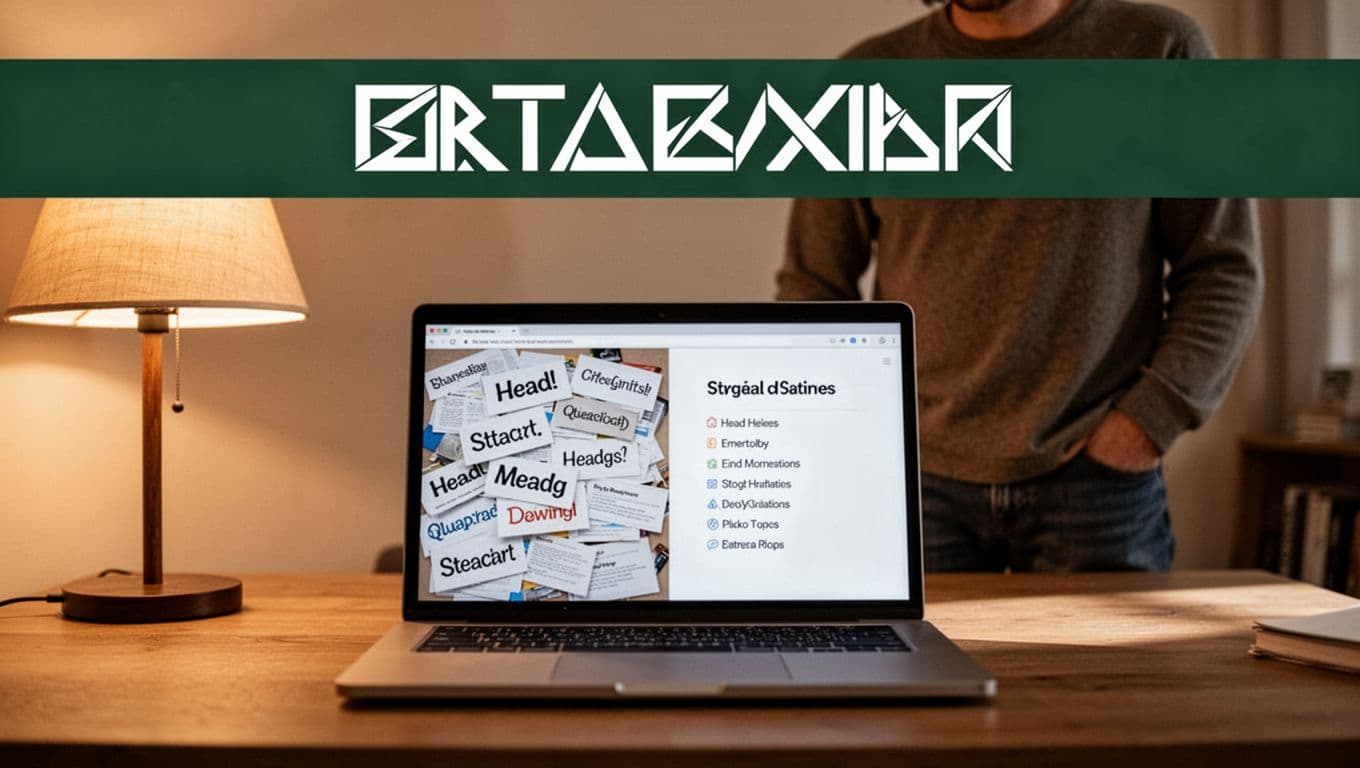
Left side feels cluttered. Right draws eyes in. Readers stay, shares rise.
Plan your next post’s outline today. Strong headings mean higher ranks and happy readers. What heading will you tweak first? Share below.