
Picture this. A blogger named Sarah posted about her favorite recipes for months. She got zero views. Then she switched to topics people searched, like “easy weeknight dinners.” Views jumped to thousands overnight.
Google handles 16.4 billion searches per day in the US alone this April 2026. That’s a huge pool of ready traffic. You can tap it by picking topics with real demand.
This guide shows you simple steps. First, grasp search volume. Next, use free tools. Then upgrade to paid ones. Finally, filter smartly for 2026 wins like EEAT trust and topic clusters. You’ll boost SEO, shares, and income fast. Let’s dive in.
Grasp What Search Volume Really Means for Picking Winners
Search volume tells you how many people type a phrase into Google each month. It predicts traffic potential. Topics with 1,000-plus searches make solid starts. Those at 5,000-plus turn into goldmines because they draw steady free visitors via SEO.
Guessing topics often flops. High-volume ones prove demand exists. They build topical authority too. Group related high-volume phrases into clusters. You dominate niches that way.
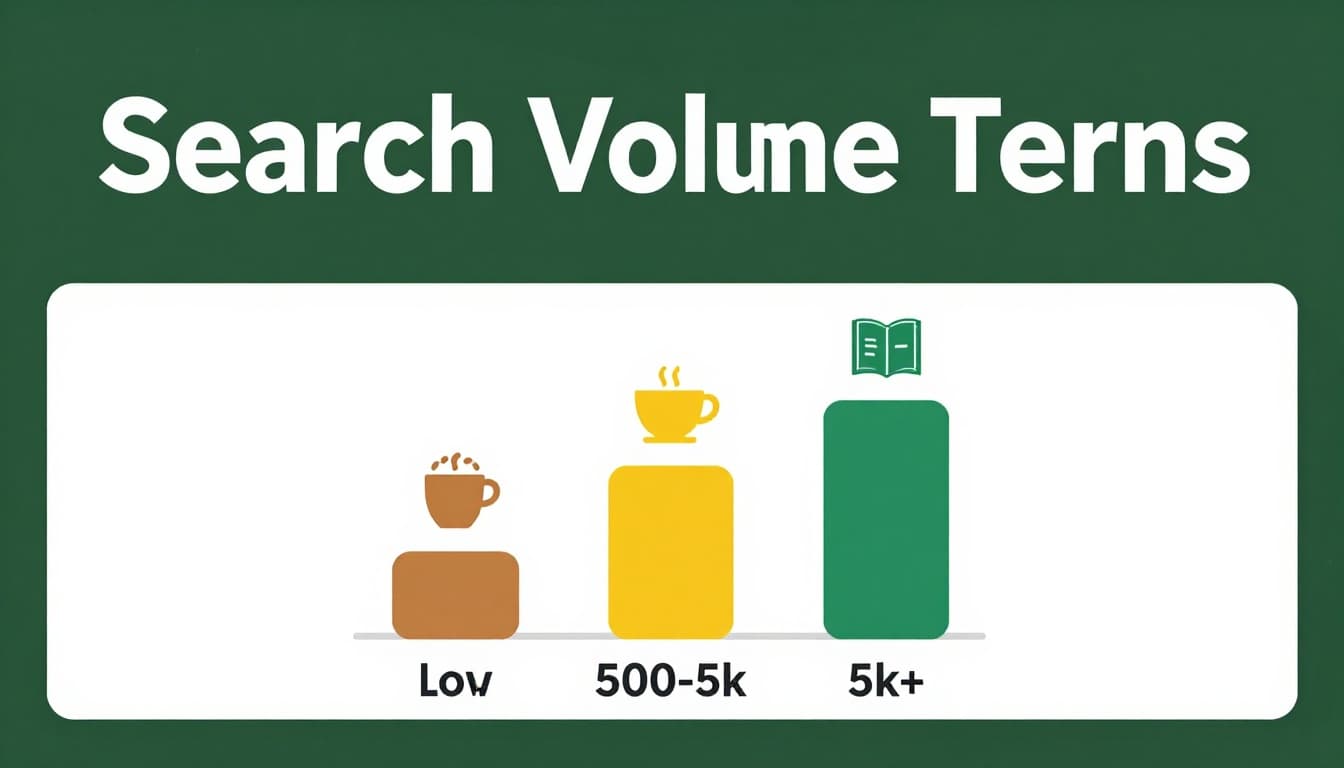
Here’s a quick breakdown of volume tiers:
| Tier | Monthly Searches | Example Fit |
|---|---|---|
| Low | Under 500 | Niche ideas like “coffee for programmers” |
| Medium | 500-5,000 | Growing topics like “SEO tips” |
| High | 5,000-plus | Winners like “best coffee makers” at millions |
Low tiers suit quick tests. High ones fuel big growth. Focus here for real results.
Spot High-Volume Gems vs Low-Hanging Fruit Traps
High-volume gems shine because they match broad interest. “Best coffee makers” pulls 10,000-plus searches monthly. People seek buying advice there. In contrast, “coffee for programmers” sits at low hundreds. It appeals to few.
Volume spots reader hunger. High numbers mean sustained clicks. Low ones risk dead ends. Always check trends too. Use Google Trends to pick rising ones over flat lines. For example, pair “best coffee makers” with seasonal spikes.
Aim for medium tiers first. They balance reach and ease. Test them before chasing giants.
How Volume Ties into 2026’s Big SEO Shifts
Volume links to EEAT now. Pick topics where you hold real experience. Google rewards trust signals like author bios. See Google’s guidelines on helpful content for details.
Avoid zero-click traps from AI overviews, which hit 60% of searches. Build deep clusters instead. High-volume parent topics link to subs. This fights AI summaries and drives clicks. Stay light on tools here. Focus on smart picks.
Hunt for Topics with the Best Free Keyword Tools
Start free to test ideas without spending. These tools reveal volume fast. Google Keyword Planner gives exact data. Ubersuggest offers ideas. KWFinder scores difficulty. Semrush free tier shows SERP features. All limit daily use but work great.
Pull topic clusters from results. Sign up takes minutes. Enter a seed like “SEO tips.” Filter for 1,000-plus volume. Export lists for planning.
Compare them quick:
| Tool | Free Limit | Best For |
|---|---|---|
| Google Keyword Planner | 10-20 metrics/day | Official US volumes, forecasts |
| Ubersuggest | 3 searches/day | Ideas, trends for beginners |
| KWFinder | 5 lookups/day | Difficulty, SERP previews |
| Semrush Free Tier | 10 searches/day | Intent, basic clusters |
Free suits starters. Paid adds depth later.
Google Keyword Planner: Your Free Google Goldmine
Link your Google account first. No ad spend needed. Go to “Discover new keywords.” Input “how to choose blog topics.” It spits related ideas with volume ranges.
Forecasts show competition too. Export to CSV for clusters. For instance, it flags high-volume subs like “blog topic ideas.” Check this step-by-step guide for setup tips.
Run it daily. Data stays accurate for 2026 US trends.
Ubersuggest and Quick Wins for Beginners
Visit the site. No card upfront. Enter “keyword research tools.” See volume, difficulty, and ideas. Limit hits three daily, so plan seeds.
Output includes content gaps. Great for brainstorming “best free SEO tools 2026.” Trends tab spots risers. Beginners love the simple dashboard. Try this beginner’s guide to speed up.
Stack it with Planner for full views.
Upgrade to Paid Tools for Competition-Crushing Insights
Paid tools beat free with click rates and rival data. Spot AI trends early. Ahrefs scans 10 engines at $99 monthly. SEMrush handles 25 billion keywords at $129. Moz adds priority scores at $99. Serpstat clusters at $69.
They reveal traffic potential. Filter high volume, low difficulty. Check YouTube too for GEO wins.
Key options:
| Tool | Monthly Price | Strengths |
|---|---|---|
| Ahrefs Keywords Explorer | $99 (lite) | Parent topics, backlinks |
| SEMrush Keyword Magic | $129 (pro) | Intent groups, predictions |
| Moz | $99 | CTR estimates, SERP features |
| Serpstat | $69 (lite) | Seasonal clusters |
Invest when free limits bind.

Ahrefs: The Keyword Explorer Powerhouse
Buy the lite plan. Search “AI SEO trends 2026.” Filter volume over 1,000, KD under 30. Parent topics emerge for clusters.
Backlink data helps authority. This Ahrefs overview walks metrics. Use it to crush rivals.
SEMrush: Uncover Hidden Topic Clusters
Launch Keyword Magic Tool. Enter seed. Generate thousands. Group by intent. Spot competitor gaps.
2026 AI predicts rises. Check this tutorial on clusters. Perfect for deep dives.
Filter Topics That Deliver Real Traffic in 2026
Volume alone fails. Check KD under 30. Match user intent like how-to queries. Fit your EEAT. Scan multi-platform heat on YouTube, Reddit.
Target micro-intents for beginners. Skip spammy highs post-updates. Refresh old posts to validate.
Use this checklist:
- Volume: 1,000-plus?
- Competition: Low KD?
- Intent: Matches goal?
- Trend: Rising?
- Authority: Your expertise fits?
Good pick: “best free SEO tools 2026.” Bad: vague generics.

Prep clusters. Link five to 10 subs. See this cluster guide.
Weigh Competition and Intent Like a Pro
Calculate traffic score: volume times (1 minus difficulty over 100). Newbie bloggers chase informational. Agencies hit buying intent.
Examples help. “SEO tips” suits info seekers. Pair with personas.
Align with Trends and Build Lasting Authority
Verify rises in tools. Add EEAT proofs like cases. Optimize for AI overviews, ChatGPT.
Cluster smart. Five related posts link back. Traffic grows steady.
You now know volume basics, free tools, paid power, and filters. Pick a seed keyword today. Run it through Google Planner. Write your first post.
Share your topic win in comments. Subscribe for more SEO tips. 2026 offers huge chances with AI and clusters. Steady traffic awaits. Go get it.