
Top Google results average 1,500 words for the number one spot. You might think that’s the magic number. But data from Backlinko and Orbit Media shows no single perfect length exists.
Your goals matter most. SEO needs depth to rank high. Engagement calls for scannable content that holds attention. Busy readers skim quick tips. Experts crave detailed guides.
This post breaks it down with fresh 2026 stats. You’ll see ranges that work for traffic, shares, and sales. Plus, factors like audience and trends shape your choice. How do you pick the right length for your next post?
The Data Reveals No Magic Number, But Clear Winners Emerge
Recent studies confirm patterns. Backlinko’s analysis of top results points to 1,500 words as the average for the first position. Top 10 spots hit around 1,447 words overall. Yet longer posts pull ahead in tough searches.
Orbit Media reports averages now top 1,400 words. Posts keep growing each year because they earn more time on page. Quality drives this, not just count.
Here’s a quick summary of lengths tied to outcomes:
| Goal | Recommended Length | Key Benefit |
|---|---|---|
| SEO Rankings | 1,500-2,500 words | Matches top results, boosts links |
| Engagement | 1,200-1,800 words | Improves dwell time |
| Shares | 2,000+ words | 3x more traction |
| Quick Reads | 600-1,200 words | Low bounce for simple topics |
Longer content wins on shares and backlinks. For example, posts over 7,000 words snag three times more attention than short ones, per MarketingCharts data. But short posts still claim top spots when intent matches quick answers.
Google favors value over volume. Dwell time, or how long users stay, signals this. In 2026, algorithms reward posts that keep readers around.
What Top-Ranking Posts Teach Us About Word Counts
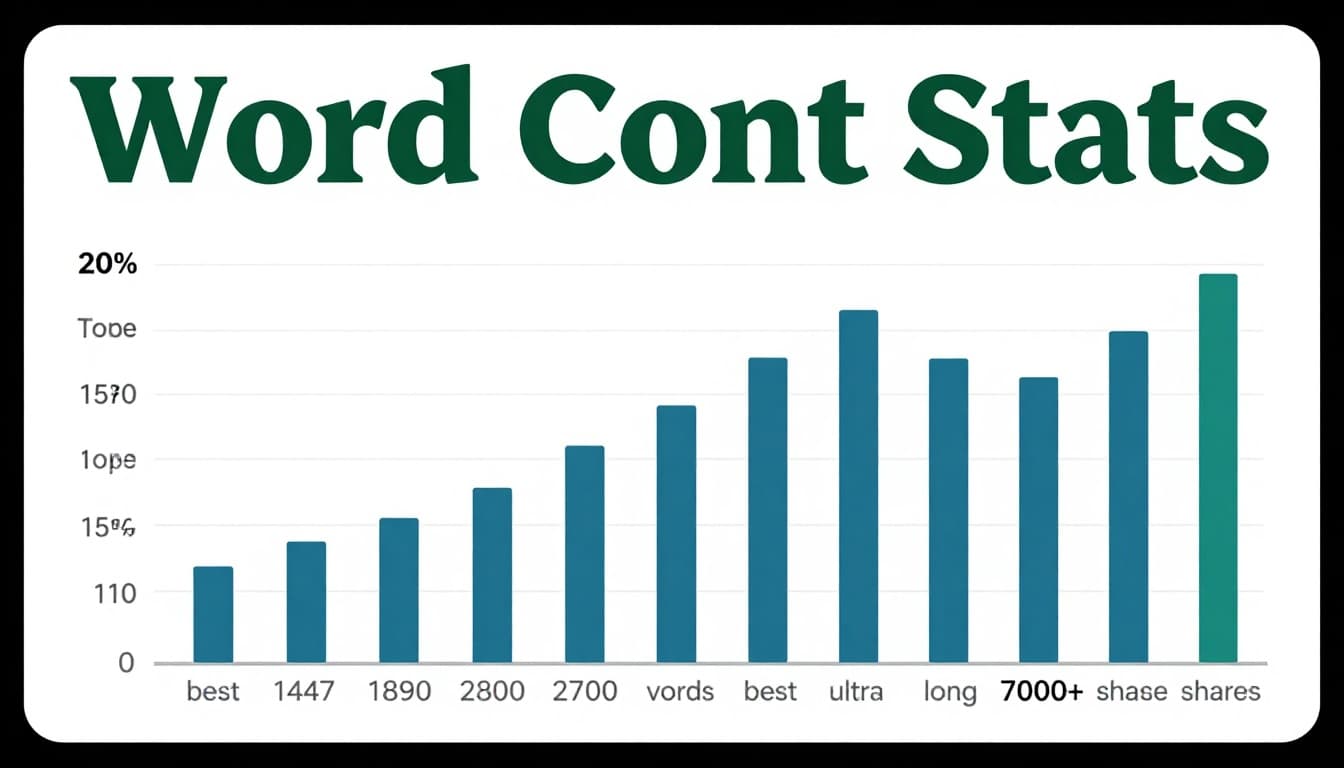
Dive into specifics. Number one Google pages average 1,890 words in some studies from Elementor. Top 10 often sit at 1,447 to 1,890 words. Voice search results push to 2,312 words.
Shorter posts grab top five spots sometimes. They fit news or basic queries. But depth helps most keywords.
- Backlinko notes 2,000+ words rank higher overall.
- Longer ones get 3x traffic and 4x shares versus 1,400-word averages.
- Featured snippets favor over 1,500 words.
These tie to user signals. Readers stay longer on thorough posts. Analytics show this boosts rankings. Check Backlinko’s blogging stats for full breakdowns.
Trends Showing Blog Posts Growing Longer in 2026
Averages climbed past 1,400 words this year. Pillar pages hit 2,000 to 3,000 words. AI tools cite deep content more often.
HubSpot and Moz stress topic focus. User reactions now drive results. SEMrush data shows structured depth beats keyword stuffing.
Shorter posts work for narrow intents. But most top results add substance. As a result, expect continued growth in lengths.
Match Length to Your Goals for Maximum Impact
Pick based on what you want. SEO demands authority signals. Engagement needs flow. Conversions build trust step by step.
Match search intent first. Scan top competitors. Their lengths guide you.
SEO and Traffic: Aim for Depth That Ranks High
Target 1,500 to 2,500 words here. This matches top results from Backlinko and Elementor. Longer posts draw links and show expertise.
Mailchimp studies confirm it. They earn more backlinks because readers trust depth. For competitive terms, go beyond 2,000 words.
Start with outlines that cover angles fully. This helps E-E-A-T signals. In short, depth ranks.
Engagement and Readability: Keep Readers Hooked Without Overwhelm
Aim for 1,200 to 1,800 words. Use short paragraphs and headings. Images break up text.
Margaret Bourne’s tips highlight this. Scannable posts boost dwell time. Readers finish more, so bounce rates drop.
Busy audiences prefer this range. Add bold key points. Therefore, flow keeps them reading.
Conversions and Shares: Build Trust with Enough Substance
Go 1,400 to 2,000 words. Weave in stories and clear calls to action. High-traffic posts often hit 2,700 words, per WordStream.
SEO.co charts show why. Substance builds credibility. Shares follow when value shines.
Test CTAs mid-post. This range balances detail and action.
Key Factors That Shape the Perfect Length for You
Audience tastes vary. Topics range from simple to complex. Platforms pull different ways too.
Check top 20 results for intent clues. Avoid fluff; it spikes bounces.
Your Audience and Topic Dictate the Sweet Spot
Busy pros want 600 to 1,200 words. Experts dive into 2,000+. Simple how-tos stay short. Complex guides expand.
For example, a recipe fits 800 words. A strategy breakdown needs 2,500. Match reader needs.
Platform and Trends to Watch in 2026
Social sites like Pinterest favor under 1,200 words. Google rewards longer authority pieces.
AI search pulls comprehensive answers. Track engagement rates over raw counts. See SEO.co’s content length charts for visuals.
Simple Steps to Hit the Ideal Length Every Time
Outline first. List key points and examples. This sets your target.
Write value first. Cut later. Tools like Hemingway App flag dense spots.

Test with analytics. Compare dwell time across lengths. Edit for tight prose.
- Outline goals and intent.
- Draft freely, then trim fluff.
- Read aloud for flow.
- Check competitors.
- Publish and monitor.
Experiment often. Quality always trumps count. You’ll nail it with practice.
No one size fits all, but 1,500 to 2,000 words wins for most goals in 2026. SEO thrives at 1,500+. Engagement peaks around 1,200 to 1,800. Tailor to your audience and test results.
Audit your recent posts. Try a new length next time. Share what worked in the comments. Focus on value, and readers stay.