
You skimmed a blog post last week. It built solid points, but the end fizzled. You closed the tab fast.
Now picture this. Another post grabbed you from start to finish. Its close left you nodding, ready to share or act. That difference? A strong conclusion. It seals your message, sparks shares, and lifts SEO through better dwell time.
In 2026, readers stick for trust and heart. They remember endings that feel real. This post shows why conclusions matter, traps to dodge, a simple formula, real examples, and pro tips. You’ll learn to turn skimmers into fans.
Why a Strong Conclusion Turns Readers into Fans
Readers skim posts. Yet they recall endings clearest. A strong close reinforces your core idea without boring repeats.
It builds emotional ties. People crave authenticity now. Share a quick “what I learned” or spark an “aha.” This creates belonging, as trends show.
In addition, it drives action. Invite comments or next steps. Nearly half of readers subscribe via such calls. They follow for real talk.
SEO benefits too. Posts over 2,000 words see 56% more shares. Strong ends boost dwell time by 40%. Google favors this satisfaction signal.
Consider reader psychology. They seek problem fixes and hope. End with payoff, and they return. Bounce rates drop under 40%, rankings climb 50%.
So what? Fans share more. Traffic grows steady.
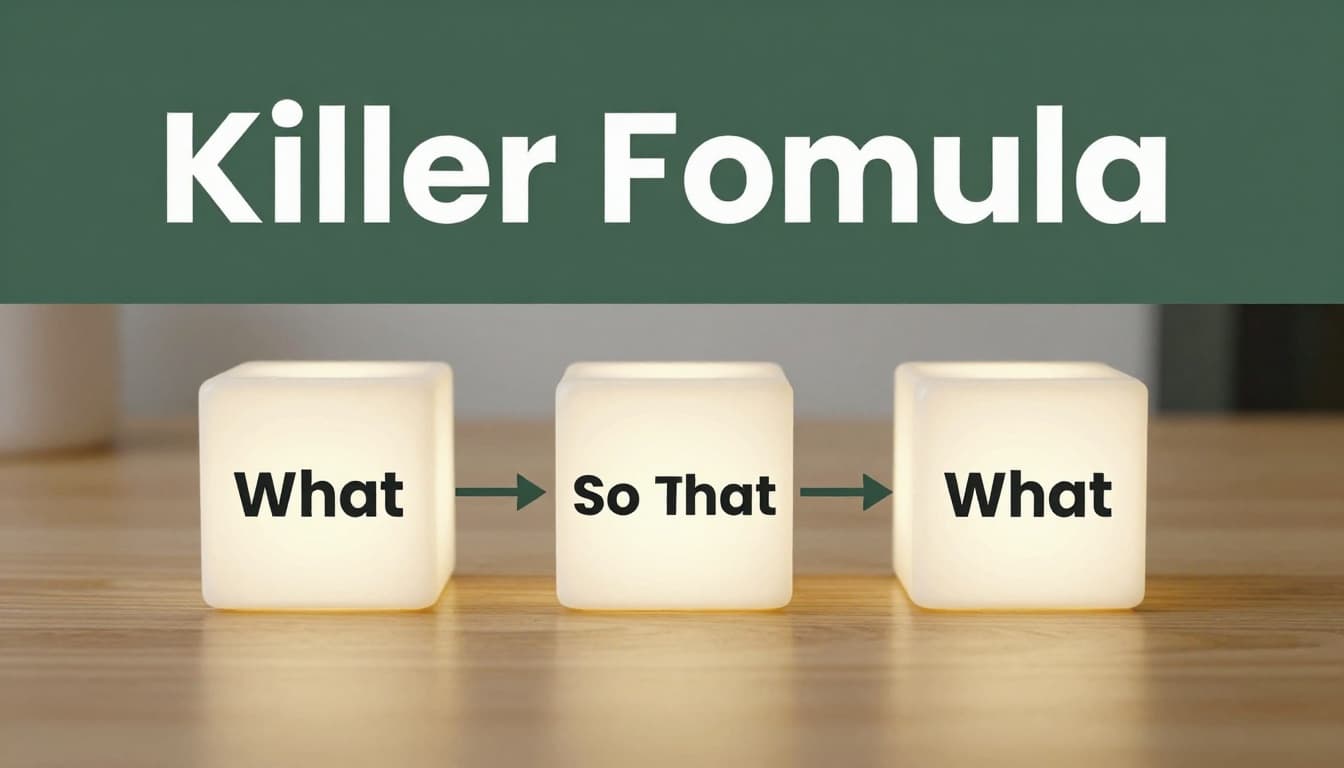
Now what? Use the what, so what, now what frame. It guides without lists.

Common Traps That Make Your Ending Fall Flat
Weak ends kill momentum. Readers lose trust. They bounce quick.
Top issues come from best practices guides. New info slips in late. Apologies weaken you. Robotic phrases bore. Length drags.
Each hurts engagement. Avoid them, and confidence builds.
Slipping in Fresh Ideas Too Late
You recap points. Then drop a new stat. Readers confuse.
Bad: “SEO tips work. Oh, and 80% scroll depth boosts ranks too.”
Fix: Move stats to body. Close reinforces only.
This confuses because minds overload. They expected wrap-up.
Saying Sorry for What You Skipped
Scope limits happen. Don’t flag gaps at end.
Bad: “This post skipped advanced tools. Sorry.”
Fix: Set bounds early. End strong on covered ground.
Doubt creeps in. Readers question your grasp.
Robotic Wrap-Ups That Bore Everyone
Clichés signal lazy.
Bad: “In conclusion, these points matter.”
Fix: Flow into meaning. “Apply this, watch shares rise.”
Everyone tunes out bots. Human voice wins in 2026.
For more on these pitfalls, check Grammarly’s guide to conclusion mistakes.
Dodge traps. Your close shines.

Craft a Killer Close with This Proven Formula
Most strong ends follow one structure. What, so what, now what.
First, restate thesis fresh. No copy-paste.
Then, show impact. Synthesize points.
Finally, push action or thought.
Keep short. Match audience tone. Revise after full draft.
This beats summaries. Readers engage deeper.
See BloggersPassion’s 2026 step-by-step on strong conclusions.
Remind Them of Your Big Idea, Freshly
Echo intro confidently. Reword for punch.
Example from SEO blogs: Intro says “Links drive traffic.” Close: “Links fuel your growth engine.”
Readers nod. No repetition.
Show Why This Matters in Real Life
Connect dots. Broader stakes.
City planning post: “Tips save time. So neighborhoods thrive faster.”
Impact lands. Readers see value.
End with a Punch That Sticks
Spark pause. Question or bold line.
“Ready to test this weekend?”
It lingers. Shares follow.
Template: “You learned [what]. It changes [so what]. Start with [now what].”
Practice on drafts. Polish shines.
Real Examples from Top Blogs That Nail It
Top 2026 blogs prove the formula.
Buffer case studies end problem-solution-result. “Use this for your win.” What: Strategy. So what: Real results. Now what: Apply now. Action spikes.
Ahrefs SEO posts share data. Close: “Tweak and track traffic.” Numbers build trust. Readers test tools.
Binging With Babish recipes: “Cook tonight, tag us.” Fun push. Fans share photos.
LiveStrong fitness: “Join the challenge.” Direct step. Engagement soars.
These adapt formula. Short, voice-true.
For similar endings, see eesel.ai’s blog on memorable closes.
Steal sparks. Make yours.

Bonus Tips to Make Your Conclusion Unforgettable
Match tone. Casual crowd? Light punch. Pros? Data close.
Boost SEO. Add comment CTAs. Dwell time rises.
Test with readers. Email opens beat likes.
Mobile short. Personalize for niches.
Revise last. Read aloud.
Trends favor human ties. Skip bots.

That fizzled tab? Flip it with the formula. What seals messages. So what turns readers to fans. Now what: Rewrite one post today.
Your next close hooks. Share a before-after below. What’s your punch line?