Imagine a content creator stuck at zero views on their YouTube videos. They switched to targeting “grow YouTube channel fast,” and views hit thousands in weeks. Keywords like that connect your work to people searching right now.
Keywords are simple search terms users type into Google. They help the search engine match your content to those queries. In 2026, smart keyword use builds topical authority and fits user intent for higher rankings.
You can follow this step-by-step process. It starts with free Google tricks and scales to tools. Plus, catch the latest trends for real results.
Launch Strong: Pick Your Seed Keyword and Tap Free Google Ideas
Start with seed keywords. These are broad, 1-3 word phrases tied to your niche. Pick ones that solve audience problems, like “grow YouTube channel” for creators.
Brainstorm based on what you know. Think about pains your readers face. Then, use Google’s built-in features for instant ideas. No tools needed yet. This uncovers gems that match current searches.

Brainstorm Seeds Around Real Audience Struggles
List problems your audience faces first. Creators might struggle with podcast starts or social growth. Turn those into short phrases.
For example, if you help beginners, try “podcast growth tips.” Match solutions you offer to those pains. This keeps keywords relevant.
Ask yourself what keeps them up at night. Then, jot 5-10 seeds. Keep them simple. You will expand later.
Test one seed now. Does it feel right for your content? Good seeds lead to traffic.
Harvest Ideas from Google Autocomplete and Questions
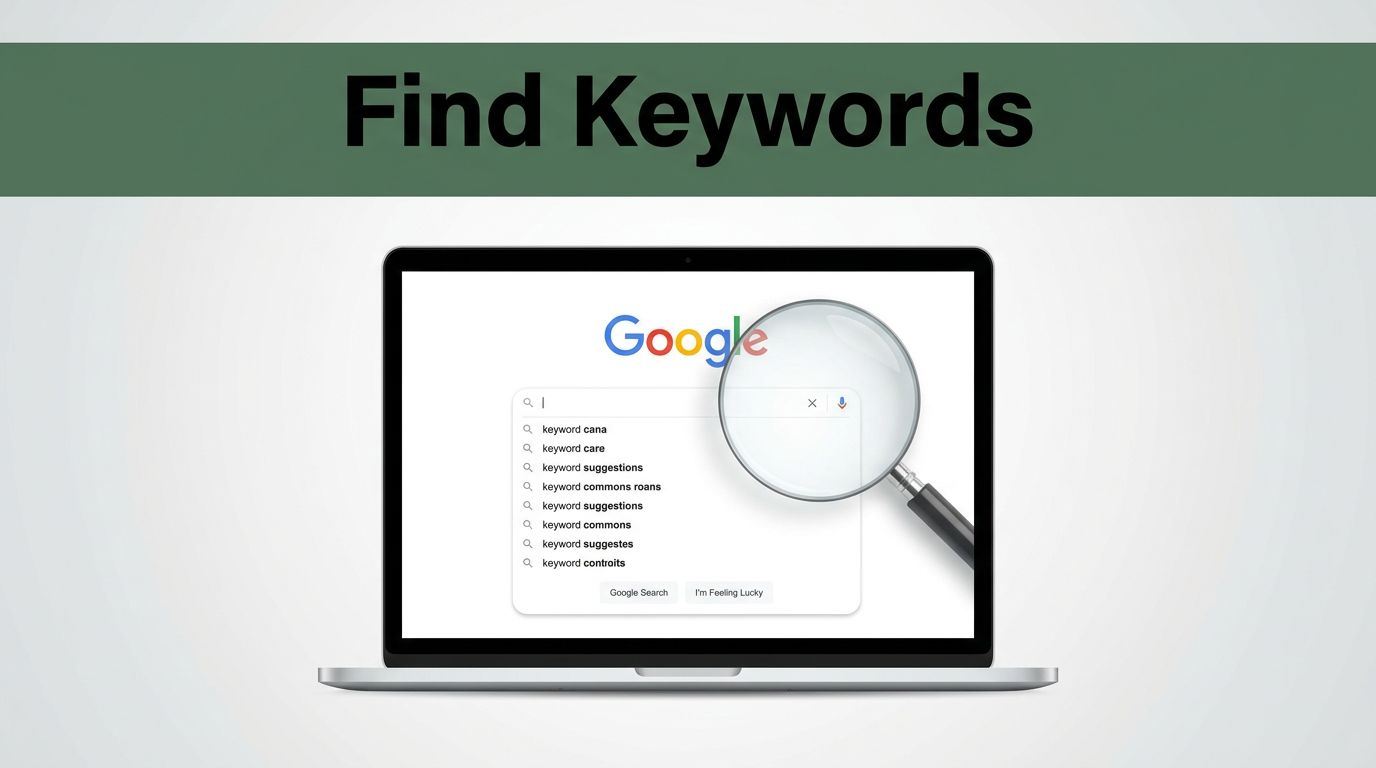
Open an incognito window. Type your seed slowly, like “grow YouTube channel.” Watch suggestions drop, such as “grow YouTube channel 2026.”
Click “People Also Ask” boxes. They reveal questions like “how to grow YouTube channel organically.” Scroll to related searches at the bottom too.
These show real-time trends Google prioritizes. For deeper tips, check this Google autocomplete tutorial. It matches what users type today.
Repeat for variations. You get dozens of ideas in minutes. Save them in a spreadsheet.
Pinpoint What Users Want and Spot Easy Wins Over Competition
Search your seeds now. Study the top results. Notice formats like lists, guides, or videos that rank high.
User intent matters most. Problem keywords draw aware users. Solution ones pull ready buyers. Spot long-tail chances rivals ignore.
Free checks show difficulty. Focus on the buyer journey from awareness to tips.

Decode Top Results to Match Winning Formats
Look at SERPs closely. Top spots often hold how-to guides or video lists. If videos dominate, plan one.
Tie this to intent stages. Informational queries need explainers. Buying ones suit comparisons.
Note gaps too. If top pages skip beginner tips, fill that. Copy winning formats but add your spin.
This step saves time. You create what already ranks.
Target Long-Tail Keywords for Quick Ranking Boosts
Long-tail keywords use 3+ words, like “best podcast growth tips for beginners 2026.” They face less competition.
Stack them for traffic. Lower volume means easier wins. Users search these with clear intent.
For example, “grow YouTube channel fast” beats broad terms. Aim for 5-10 per topic. They convert better.
Expand Big with Free and Paid Tools for Pro-Level Keywords
Free tools give solid starts. Google Keyword Planner shows volume and competition. AnswerThePublic visualizes questions. Google Trends spots seasonality. Search Console reveals your data.
Paid options dig deeper. SEMrush offers clusters and AI forecasts at $139.95 monthly for Pro. Ahrefs spies SERPs from $129 monthly Lite. KeywordTool.io suits YouTube at similar costs. KeySearch stays cheap.
Pick based on needs. Creators love platform-specific ones.
Master Free Tools for Solid Data Without Spending
Sign into Google Ads for Keyword Planner. Enter seeds under “Discover new keywords.” Set US location. Get volume ranges and competition.
AnswerThePublic draws search clouds. Type a seed for visuals. Trends compares rises; filter “Rising” for breakouts.
Search Console lists your queries. For a step-by-step on Planner, see this 2026 guide. Export and sort by volume.
These build your list fast. No cost, real Google data.
Upgrade to Paid Tools for Deeper Insights and Speed
SEMrush Keyword Magic taps 25 billion terms. Spot clusters easily. Ahrefs shows gaps in rivals’ SERPs.
Try Answer Socrates at $9 monthly for questions. Compare plans in this SEMrush vs Ahrefs review.
Paid speeds research. Forecasts predict 2026 shifts. Start free, upgrade as you grow.
Organize into Clusters, Validate, and Ride 2026 Trends
Group keywords into clusters. Build authority around hubs like “YouTube growth.” Link related pages.
Validate with Planner volume and Trends spikes. In 2026, AI semantic clusters rule. Stack low-volume winners. Add FAQ and image keywords. Go omnichannel for TikTok or YouTube.
Use modifiers like “best for creators.” Check Reddit for real talk. Value beats volume.

Group Keywords into Clusters That Google Loves
Bundle related terms. Make a pillar page on “YouTube growth.” Link to clusters like “fast tips.”
Internal links boost this. Google sees you own the topic. For more, read this semantic grouping guide.
Clusters lift rankings. Start small, expand.

Validate Data and Adapt to Fresh Trends
Check volume and intent fit. Watch Trends for voice searches or AI topics.
2026 favors conversational queries and breakouts up 5,000%. Low-volume stacks win. FAQ matches natural questions.
Adapt often. Test one cluster this week.
You now know seeds, Google hacks, tools, clusters, and trends. Start with autocomplete today for quick wins.
Pick a seed keyword right now. Share your top three in the comments. Subscribe for more SEO tips. Traffic grows easy when you match what people search.